Responsibility
At Bellmont Cabinet Co., sustainability isn't a marketing message — it's woven into every decision we make. From the materials we source to the way we manufacture, we're committed to minimizing our environmental impact while maximizing the quality and longevity of every cabinet we build.
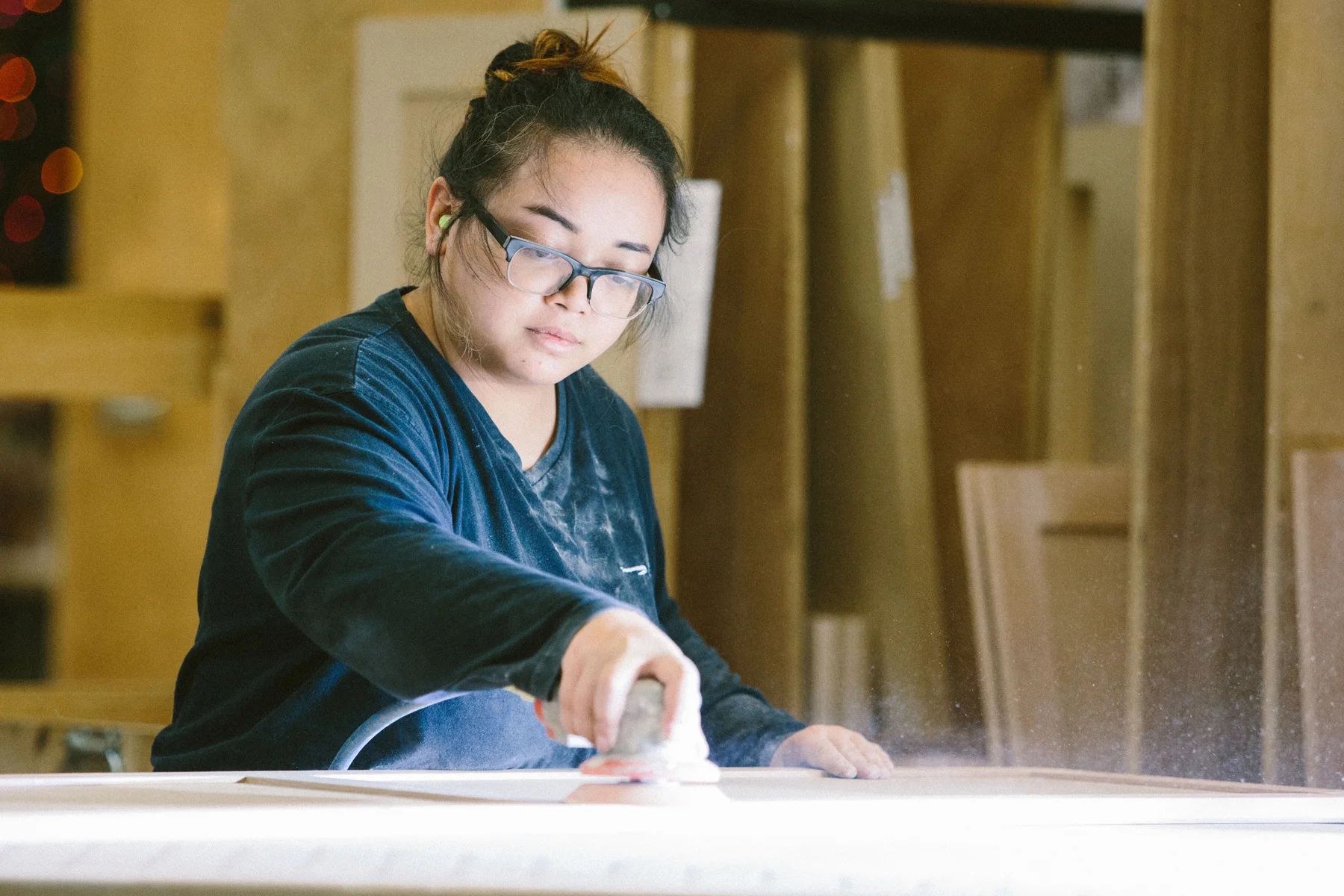
We partner with suppliers who share our commitment to responsible forestry. Our wood products come from sustainably managed forests, and all composite materials meet or exceed CARB2 (California Air Resources Board Phase 2) compliance for formaldehyde emissions — among the strictest standards in the world.
Our finishes are low-VOC, reducing harmful emissions in your home and contributing to better indoor air quality. We continuously evaluate and upgrade our materials to meet evolving environmental standards.
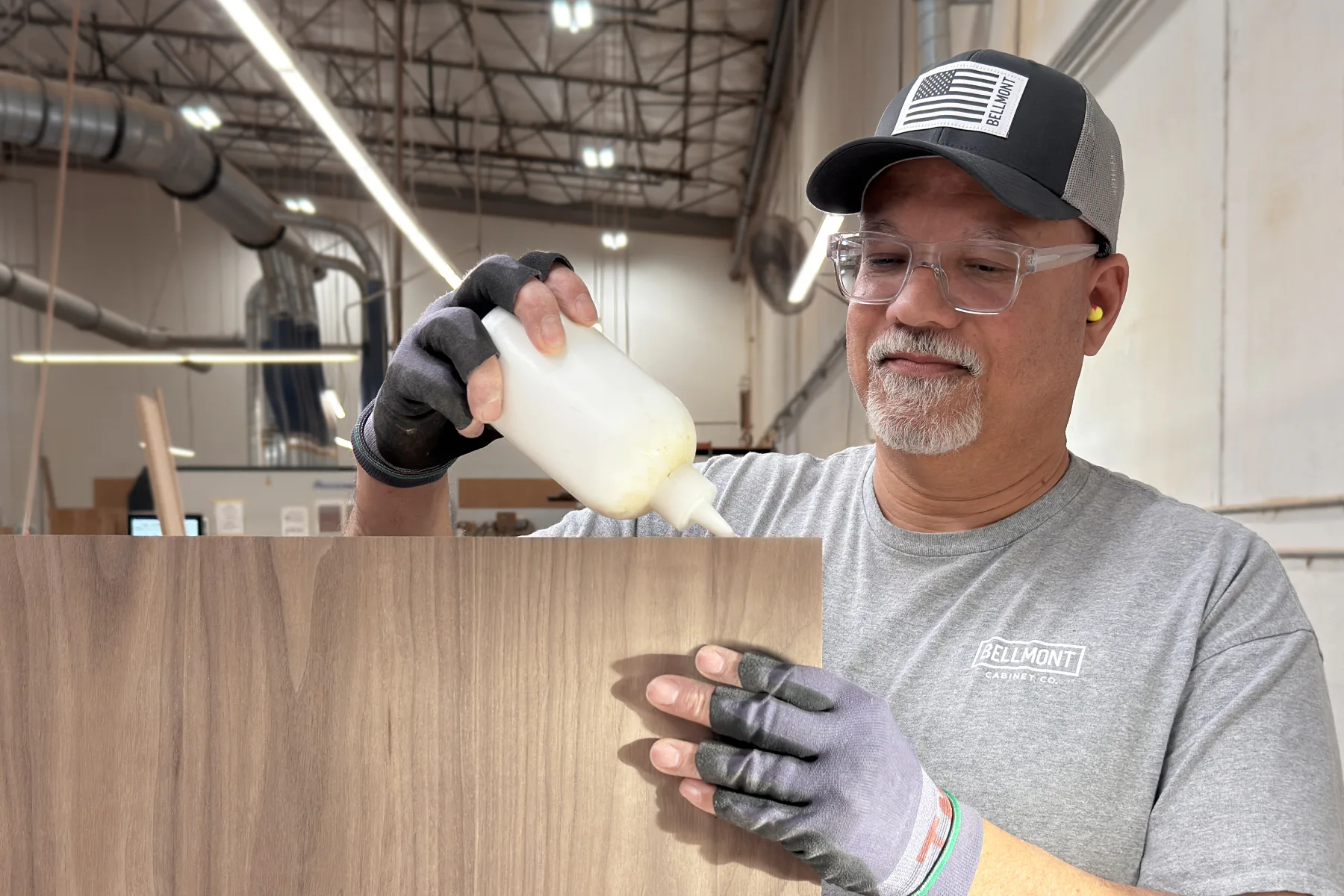
Every Bellmont cabinet is manufactured in our facility in Sumner, Washington. By keeping production local, we significantly reduce transportation emissions and support the Pacific Northwest economy.
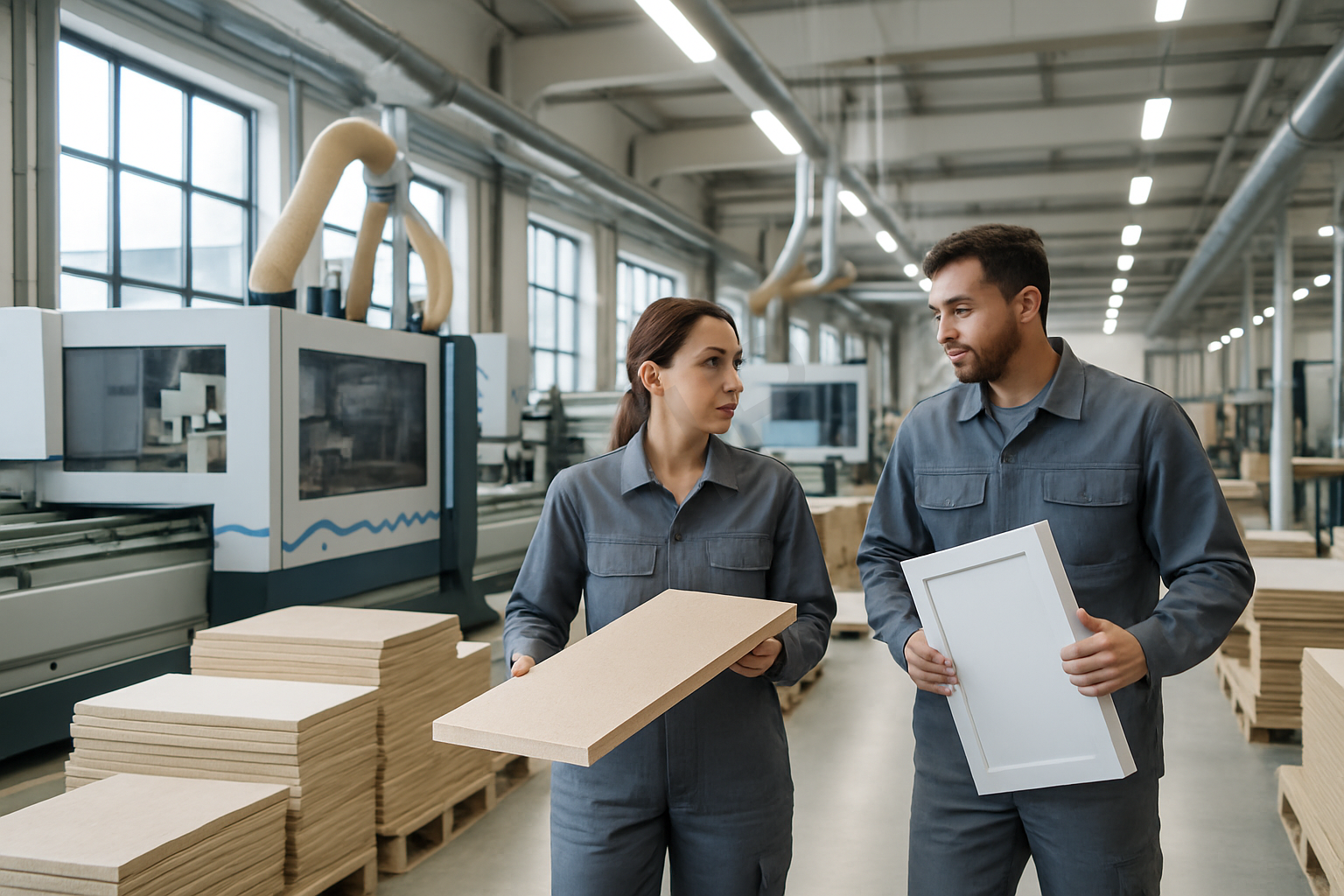
Our manufacturing processes prioritize waste reduction through precision cutting technology, efficient material utilization, and comprehensive recycling programs. We continuously invest in energy-efficient equipment and LED lighting throughout our facility.
The most sustainable cabinet is one that doesn't need to be replaced. Bellmont cabinets are engineered for decades of daily use — with fully assembled construction, robust drawer systems rated to 75 lbs, and premium hardware.
By building cabinets that last, we keep materials out of landfills and reduce the cycle of consumption. Quality is our most powerful sustainability strategy.
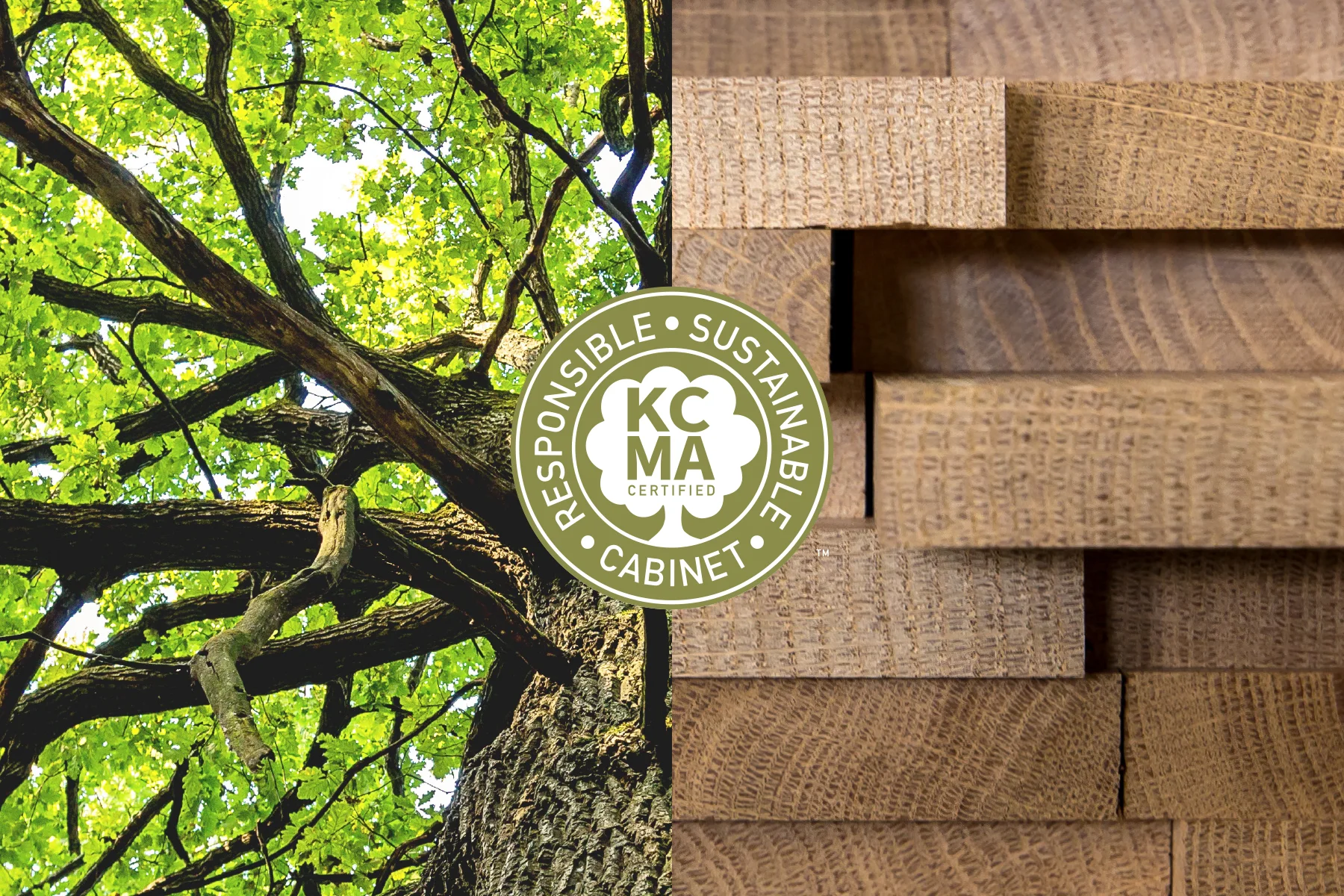
Certified member of the Kitchen Cabinet Manufacturers Association Environmental Stewardship Program, ensuring compliance in air quality, emissions, and sustainable material usage.
All composite wood products meet California Air Resources Board Phase 2 standards — among the strictest formaldehyde emission limits in the world.
Our manufacturing processes comply with EPA regulations for air quality, waste management, and responsible disposal, going beyond minimum requirements wherever possible.